Garage Door Remote Repair and Programming in Los Angeles
A faulty garage door remote can be caused by something simple, such as a drained battery, or by a broader problem involving the garage door opener, wiring, safety sensors, or door hardware. For Los Angeles homeowners, accurate diagnosis matters because homes vary greatly across Downtown Los Angeles, Hollywood, Van Nuys, Long Beach, and surrounding communities. Detached garages, older overhead garage doors, and different electrical layouts can make an on-site inspection especially useful.
This guide explains remote troubleshooting, remote programming, garage door opener repair, related door problems, pricing factors, and appropriate next steps. Los Angeles has a temperate climate with limited freezing conditions, but heat, dust, moisture, and coastal corrosion can still affect a remote, sensors, and opener components.
Garage Door Remote Problems Los Angeles Homeowners Commonly Face
A garage door remote may quit functioning because the remote control is damaged, its battery is nearly depleted, or the garage door opener is no longer receiving its signal. A remote can also forget its programming after an electrical interruption, accidental reset, or opener replacement.
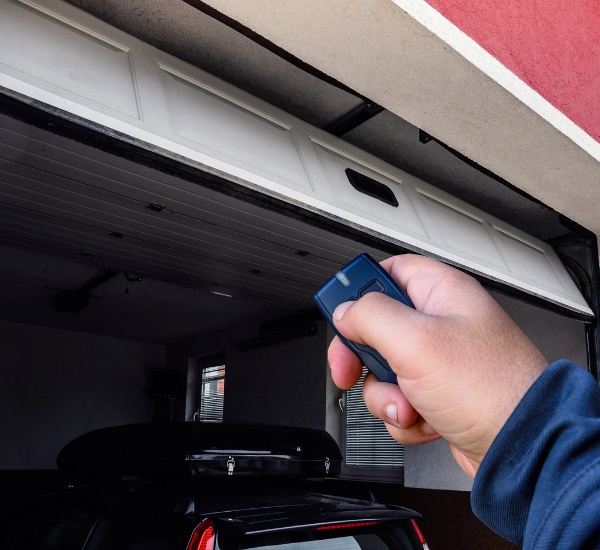
Common symptoms include a garage door remote that works only from a reduced distance, a remote control that opens the door but will not close it, or a button that requires multiple pressing. Signal interference from LED lighting, wireless devices, security equipment, or nearby electronics can reduce the operating range. In dense areas such as central Los Angeles, apartment buildings and neighboring wireless systems may also cause interference.
Problems may arise in the opener rather than the remote. A failing receiver, damaged wiring, worn circuit board, or malfunctioning safety system can make a properly programmed remote appear defective. If the wall-mounted control works but the remote does not, the remote or receiver should be inspected. If neither control operates the door, the garage door opener or the door itself may need repair.
How to Troubleshoot a Garage Door Remote Before Contacting a Technician
Begin with simple garage door opener troubleshooting, but refrain from removing covers or working near moving parts unless you know the risks. Operate the wall switch, inspect the photo-eye sensor area, and check if the opener has power. These observations allow a garage door repair technician pinpoint whether the issue relates to the remote battery, wiring, safety system, receiver, or circuit board.
Keep the garage door closed while testing whenever possible. Do not bypass the safety sensors, force the door by hand, or operate the system if the door is crooked, unusually heavy, or making grinding sounds.
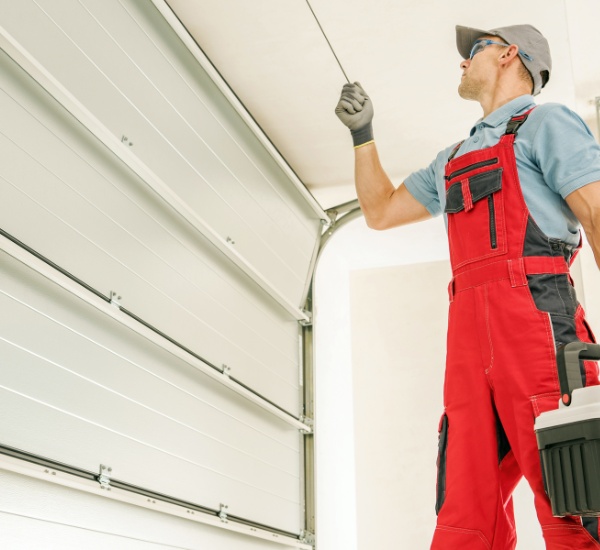
Change the Battery and Test the Remote Buttons
First perform remote battery replacement. Install the correct battery type and verify that it is facing the right direction. A weak battery may light up the LED indicator but still fail to transmit a strong enough signal. After battery replacement, stand close to the garage door opener and push the remote buttons firmly.
Examine the remote buttons for cracks, sticking, worn rubber, or dirt around the edges. If one button works inconsistently while another operates normally, the remote may have internal contact damage. A replacement garage door remote may be more practical than repairing a low-cost unit, particularly if the case is cracked or moisture has entered it.
Test the remote from several locations. If it works near the opener but not from the driveway, signal interference or a weak receiver may be involved. Hold the remote away from metal objects and test it after turning off nearby aftermarket lights or electronic devices.
Verify the Opener Has Power and the Safety Sensors Are Aligned
Check the garage door opener has power by observing its lights, hearing a click, and trying the wall switch. Verify that the opener is plugged into a working power outlet and that a tripped breaker, disconnected cord, or faulty outlet is not responsible.
Then, examine the safety sensors near the lower end of the garage door tracks. Both sensor lights should generally remain illuminated and aligned with each other. Dirt, accidental impact, loose brackets, or crooked tracks can prevent proper safety sensor alignment. Clean the lenses with a soft, dry cloth and inspect carefully that the brackets are secure.
If the wall switch controls the door but the remote does not, the issue may relate to remote programming or the receiver. If the opener produces a hum without moving the door, the circuit board, motor unit, drive system, or door hardware may be at fault. A circuit board can also malfunction after a power surge, even when the opener appears to have electricity.
Programming a Garage Door Remote
To configure a garage door remote, find the opener’s Learn button. It is often positioned on the motor unit beneath the light cover or near the antenna wire. Pressing the Learn button usually switches the opener into programming mode. The indicator light may continue glowing or blink for a limited period, during which you hold down the desired remote button.
Many modern openers use a rolling code system. A rolling code changes the access signal after each use, strengthening security and preventing an old signal from being reused. After programming, check the remote from the driveway and make sure that the door opens and closes correctly.
Exact steps vary by model, so use the manufacturer instructions for the opener and remote. Some systems require a second button press, while others use a separate control panel to confirm remote programming. If you are adding several remotes, configure each one individually and retain the instructions for future reference.
Programming Common Garage Door Opener Brands
Chamberlain, LiftMaster, and Craftsman openers often use a colored Learn button and a sequence involving the opener button followed by the remote button. Although these brands may share compatible technologies, the exact process can differ by model and production year. A LiftMaster commercial-style system may also have an external receiver or special control panel.
Genie openers commonly use a Program or Set button rather than the same Learn button arrangement found on many Chamberlain-family products. Genie remotes must be compatible with the opener’s frequency and technology. Older remotes may not work with newer rolling code systems, even if the casing looks similar.
Before starting, determine the opener model number and remote model number. Do not depend solely on appearance. The manufacturer instructions can establish compatibility, button sequences, and whether the opener needs to be cleared before adding a new remote.
What to Do When the Remote Will Not Program
If the remote will not program, first confirm compatibility. A replacement remote designed for a different frequency, receiver, or rolling code platform may not pair with the opener. Check the model label and compare it with the manufacturer’s approved remote list.
A reinitialization procedure may be necessary if the opener’s memory is at capacity or earlier remotes must be cleared for safety reasons. Resetting can clear every paired remote, keypad, and wireless accessory, so make sure you have all needed devices available before starting.
If a compatible remote still will not connect, the receiver, logic board, wiring, or antenna may be compromised. A replacement remote will not fix a failed receiver. Moisture, dust, heat, and coastal corrosion can impact components in areas such as Long Beach and other locations near the ocean. A technician can inspect the receiver before advising a complete opener replacement.
When Remote Repair Requires Garage Door Opener Service
Garage door opener repair is appropriate when the opener makes unusual noises, reverses without a clear cause, operates intermittently, or fails to respond to both the wall switch and remote. A worn drive gear may cause the motor to run while the door remains stationary. Grinding, skipping, or popping sounds can suggest internal mechanical damage.
The logic board controls communication, safety functions, lights, and motor commands. If it has been damaged by a surge or corrosion, remote programming may fail even with a new remote. A failing motor unit may also run hot, stop under load, or operate only after repeated attempts.
Repair can be worthwhile when the opener is relatively new, the rail and door are in good condition, and the replacement component is available. Garage door opener replacement may be more practical when the unit is outdated, noisy, unsafe, or incompatible with current remotes and smartphone garage door control.
Garage Door Repair Costs and Remote Programming Pricing
Garage door repair cost is determined by the assessment, replacement components, site access, urgency, and necessary labor. A standard remote battery replacement or programming visit is generally more straightforward than opener repair, spring replacement, track repair, or a complete door replacement. Asking “how much does garage door repair cost” without identifying the problem can produce an uncertain estimate.
Garage door repair pricing may involve a service call fee, diagnostic fee, parts, and labor cost. Some companies put the service call fee toward approved repairs, while others show diagnosis separately. Find out what is included before authorizing work and obtain a written explanation of the recommended repair.
Regional pricing varies between central Los Angeles, the San Fernando Valley, the Westside, and nearby cities. Travel distance, parking, difficult access, detached garages, urgent same-day demand, and after-hours scheduling can influence the total. A same-day garage door service appointment may be more expensive than a flexible weekday visit, especially during busy periods.
Garage Door Remote, Opener, and Setup Cost Factors
The cost of a replacement remote varies by brand, model, security technology, and whether it is an original or compatible unit. A smart garage door opener may cost more initially but can offer smartphone garage door control, activity notifications, guest access, and integration with a home system.
Garage door opener installation cost is determined by the opener type, ceiling height, existing rail, wiring, outlet location, and whether new brackets or sensors are needed. Taking out an old motor unit, correcting unsafe wiring, or installing an opener in a detached garage can raise labor.
Find out whether the https://rentry.co/ggp53hhw estimate includes setup, remote programming, safety testing, disposal of the old unit, and a garage door warranty. A low initial quote may not include a diagnostic fee, extra remotes, reinforced hardware, or repairs required before installation.
Related Garage Door Services That Can Affect Remote Operation
A remote may be functioning correctly while the overhead garage door cannot open or close because of a broken spring, damaged track, bent garage door panel, or failed rollers. The opener is designed to move a balanced door, not overcome severe mechanical resistance.
A broken garage door spring can make the door excessively heavy. Continuing to press the remote may strain the motor, drive gear, and chain or belt. If you are searching for “garage door spring replacement near me,” choose a qualified provider rather than trying to perform spring work yourself. Spring systems store significant energy and can cause serious injury.
A damaged garage door panel can snag on the track, while a bent track can cause restricted movement or uneven movement. In these situations, remote programming does not correct the underlying problem. The door and opener should be inspected together.
When Spring, Track, or Panel Damage Needs Immediate Attention
Stop using the system if a garage door spring is visibly broken, the door hangs at an angle, cables are loose, or the door drops suddenly. A professional can assess door balance, spring tension, rollers, hinges, and the garage door track. Do not remove a spring, loosen winding hardware, or attempt to lift a heavy door without assistance.
Track damage may require garage door track repair or replacement, while a dented garage door panel may be repaired if the damage is minor. Extensive damage can affect the door’s balance and place additional stress on the opener. Proper garage door maintenance, including inspection and lubrication of approved moving parts, can limit wear but cannot correct a broken spring or structurally damaged panel.
Garage Door Replacement Costs in Los Angeles
Replacement pricing for a garage door depends on door size, material, insulation level, design, windows, hardware, removal service, installation, and disposal. A conventional single-car door is generally less expensive than a wide door serving two vehicles. When comparing the 2 car garage door replacement cost with the two car garage door replacement cost, confirm that both estimates cover the same dimensions, material, insulation level, and hardware package.
An insulated garage door may have a higher upfront cost but can improve comfort in an attached garage and limit heat transfer. This can be beneficial during hot Los Angeles summers, even though the region generally does not experience prolonged freezing weather. Steel, aluminum, wood, composite, and custom doors each have distinct maintenance and durability considerations.
Replacement may be preferable when several panels are damaged, the door is extensively corroded, insulation is deteriorated, or repairs near the value of a new system. A new door should be paired with an appropriately sized opener and tested for balance, travel limits, reversal, and safety sensor operation.
Finding Garage Door Repair Near Me in Los Angeles
When searching for garage door repair near me, look for a licensed technician with training in remote programming, opener diagnostics, springs, tracks, and complete doors. Confirm whether the company serves your specific area, including Downtown Los Angeles, Hollywood, Van Nuys, Long Beach, or nearby San Fernando Valley and Westside communities.
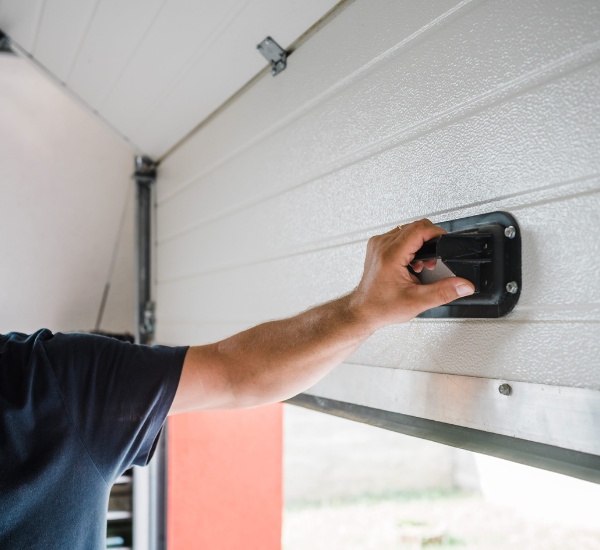
Confirm that the technician provides a clear estimate before work begins. The estimate should list the failed component, recommended repair, parts, labor, service call fee, and any additional charges for same-day service. Watch out for pressure to replace the entire system before basic testing is completed.
Discuss workmanship coverage, parts coverage, and the terms of the garage door warranty. A reputable provider should inspect the remote, wall switch, safety sensors, door balance, emergency release, and opener operation after completing the work. Same-day garage door service can be useful for a locked vehicle, unsafe door, or security concern, but urgency should not replace proper diagnosis.
Safe Next Steps for a Broken Garage Door Remote
Begin by replacing the remote battery, checking the buttons, confirming opener power, and inspecting safety sensor alignment. If the remote remains unreliable, avoid repeatedly pressing it or bypassing safety features. Write down the opener brand and model, describe what the wall switch does, and note any unusual sounds or movement.
Request a professional inspection if the remote will not program, the opener fails to respond, the door is heavy or crooked, or the system shows signs of electrical damage. Emergency garage door repair may be appropriate when a door is stuck open, has fallen off its track, or creates an immediate security or injury risk.
After repair, think about a security reset if an old remote is missing or access may have been compromised. Review remote and keypad programming, test the emergency release, and schedule garage door maintenance periodically. Preventive service can identify worn rollers, loose hardware, sensor problems, and opener wear before they become an urgent failure.
Common Questions
How do I configure a garage door remote?
Locate the opener’s Learn button, push it to activate programming mode, and then press the desired button on the compatible remote according to the manufacturer instructions. The opener may use a rolling code and require a second confirmation press. Check the remote after programming and verify that the safety sensors operate correctly.
Why is my garage door remote not working even after changing the battery?
The remote may be not programmed, incompatible, damaged, or affected by signal interference. The opener receiver, logic board, antenna, wiring, or safety system may also be responsible. Test the wall switch, check the opener’s power, inspect the safety sensors, and have a technician diagnose the system if the problem continues.
How much does garage door repair cost in Los Angeles?
Garage door repair cost can change according to the problem, parts, labor cost, access, travel, and scheduling. Remote programming is typically less involved than garage door opener repair, spring replacement, track work, or panel replacement. Request itemized garage door repair pricing and ask whether the diagnostic fee or service call fee is applied to the repair.
EM Garage Doors And Gate Service Inc19629 Cantara St, Reseda, CA 91335
(818) 919-0785
https://emgaragedoorsandgateservice.com/
https://maps.app.goo.gl/XujLWxA4pAQKARQT8
34.2193569, -118.5613022
Should I repair or replace my garage door opener?
Repair may be appropriate when the opener is in good condition and has a replaceable component such as a drive gear, receiver, or logic board. Replacement may be better when the motor unit is old, noisy, unsafe, repeatedly failing, or incompatible with modern remotes and smart controls. A professional inspection can evaluate repair cost with garage door opener replacement and installation requirements.
How can I find reliable garage door repair near me in Los Angeles?
Choose a licensed technician serving your neighborhood, such as Downtown Los Angeles, Hollywood, Van Nuys, Long Beach, the Westside, or the San Fernando Valley. Confirm experience with remote programming, opener troubleshooting, springs, tracks, and doors. Before approving work, request a written estimate, ask about warranty coverage, and verify that the technician will inspect the complete system after repair.